Elderflower vs Lavender Which Flavor Reigns Supreme
As we step into 2026, the culinary landscape continues to evolve with an array of flavors that captivate our palates. Among these, elderflower and lavender have emerged as two standout ingredients, each bringing distinct aromas and tastes to various dishes and beverages. In this article, we will dive deep into the unique qualities of elderflower and lavender, comparing their uses, benefits, and the culinary experiences they offer.
Understanding Elderflower
Elderflower, derived from the blossoms of the elderberry tree, is celebrated for its delicate floral notes and sweetness. This 2026, elderflower is not just a quaint flavor; it has become a staple in modern gastronomy. Elderflower cordial, a popular beverage, is crafted by steeping the flowers in sugar and water, creating a refreshing drink perfect for warm weather. Its subtle yet distinct flavor enhances cocktails, desserts, and even savory dishes, making it incredibly versatile.
One of the standout features of elderflower is its ability to pair well with a variety of ingredients. For instance, in 2026, gourmet restaurants are experimenting with elderflower-infused sauces for seafood, elevating the dish with a hint of floral sweetness. Additionally, this ingredient is being used in innovative ways, such as elderflower ice creams and sorbets, offering a refreshing treat on hot summer days.
Health Benefits of Elderflower
Elderflower is not only delicious but also packed with beneficial properties. Traditionally, it has been used for its anti-inflammatory and antioxidant effects. In 2026, more health-conscious consumers are gravitating towards elderflower-infused products for their potential benefits, such as boosting the immune system and alleviating cold symptoms. Many herbalists recommend elderflower tea as a natural remedy for respiratory issues, making it a popular choice for wellness enthusiasts.
People Also Look For:
- Morrisons 100% Fruit Apple & Elderflower Juice 1 litre
- Alpi Nature Elderflower Tea 125g 4.4 oz, Dried and Rubbed Elderflowers, Loose Herbal Tea
- Cawston Press Apple & Elderflower Pressed Juice, 1 l, Pack of 6
- Bottle Green Elderflower Cordial, 500ml
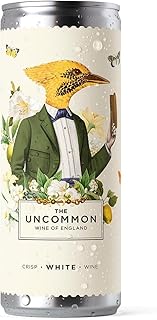
- The Uncommon English White Wine Spritzer, Blended with Sparkling Water, Elderflower & Cucumber, Light & Refreshing, Vegan-Friendly...
Exploring Lavender
Lavender, known for its striking purple hue and aromatic properties, has long been associated with relaxation and tranquility. In 2026, lavender has transcended its role as a mere aromatic herb and has found its way into culinary creations. Its unique flavor profile, which combines floral notes with a hint of earthiness, adds complexity to both sweet and savory dishes.
In the culinary world, lavender is often used in baking, particularly in cakes, cookies, and pastries. Its ability to infuse baked goods with a subtle floral essence has made it a favorite among pastry chefs. In 2026, one can find lavender-infused honey, which serves as a delightful accompaniment to cheeses and charcuterie boards, enhancing the overall tasting experience.
Health Benefits of Lavender
Lavender is not just a flavor sensation; it also boasts a range of health benefits. Known for its calming effects, lavender is often used in aromatherapy to promote relaxation and reduce anxiety. In 2026, herbalists continue to recommend lavender tea as a soothing beverage that can aid in sleep and stress relief. Furthermore, lavender has antimicrobial properties, making it a valuable addition to natural remedies and skincare products.
Flavor Comparisons and Culinary Uses
When it comes to comparing elderflower and lavender, the flavor profiles stand distinctively apart. Elderflower offers a light, sweet, and almost fruity taste, while lavender presents a more robust and aromatic flavor that can sometimes be overwhelming if used excessively. In 2026, chefs are finding innovative ways to balance these flavors in dishes, combining them to create unique culinary experiences. For example, a lavender elderflower cocktail may offer a delightful blend of both worlds, appealing to those who enjoy floral notes in their beverages.
In savory dishes, elderflower can enhance the flavors of meat and fish, while lavender may provide a fragrant touch to roasted vegetables or marinades. This 2026, culinary creativity knows no bounds, and the fusion of these two flavors is becoming increasingly popular. By incorporating both elderflower and lavender into sauces, dressings, and desserts, chefs can create layered flavors that entice the palate.
Pairing Suggestions
- Elderflower pairs beautifully with:
- Seafood dishes
- Fruit salads
- Light cocktails
- Cheese platters
- Lavender complements:
- Cakes and pastries
- Herbed roasted meats
- Infused syrups
- Herbal teas
As we explore the culinary applications of these two flavors in 2026, it becomes evident that both elderflower and lavender can coexist beautifully in the kitchen. Their unique characteristics allow chefs to create dishes that are not only flavorful but also visually appealing. The trend of using floral flavors is likely to continue, as consumers seek new and exciting dining experiences.
Conclusion on Flavor Trends
In 2026, the exploration of flavors is at an all-time high, with elderflower and lavender leading the charge in floral culinary trends. As restaurants and home cooks alike experiment with these ingredients, the culinary world is witnessing a renaissance of flavor possibilities. The intrigue of elderflower lies in its versatility, while lavender offers a sophisticated edge that enhances the dining experience. Both flavors have made their mark on modern cuisine, and their popularity is set to grow as more people discover their unique qualities.
As we continue to embrace these flavors, it is essential to consider the sourcing and sustainability of ingredients. Ethical sourcing not only ensures quality but also supports the environment and local communities. In 2026, consumers are more conscious than ever about where their food comes from, driving chefs and suppliers to prioritize sustainability in their culinary practices. This shift in mindset will likely influence the popularity and availability of elderflower and lavender in the coming years.